Cold Storage 101: Securing Crypto in the MENA
Learn how cold storage and platform security work, and why they matter for MENA users navigating the UAE's new capital markets framework.
Summary:
Cold storage keeps private keys offline, reducing exposure to remote hacking attempts.
Regulated MENA platforms now face higher capital and custody standards under new UAE rules.
Users should evaluate custody practices, not just price, when choosing a compliant app.
Security conversations tend to spike whenever regulation tightens, and this week is no exception. With the UAE Capital Markets Authority's Decision No. 4/R.M/2026 raising capital standards and licensing requirements for virtual asset firms, MENA users are asking a more practical question: how exactly do compliant platforms keep customer assets safe. As of July 12, 2026, that question sits at the center of the region's broader push toward market maturity. This piece breaks down cold storage, custody architecture, and what users in the UAE, Saudi Arabia, and Bahrain should look for when evaluating where they hold digital assets.
Security is not an abstract technical detail. It is the foundation that determines whether a platform can be trusted with customer funds over years, not just during a calm market. Understanding the basics gives users a clearer framework for judging any app, whether it operates locally or abroad.
What Cold Storage Actually Means
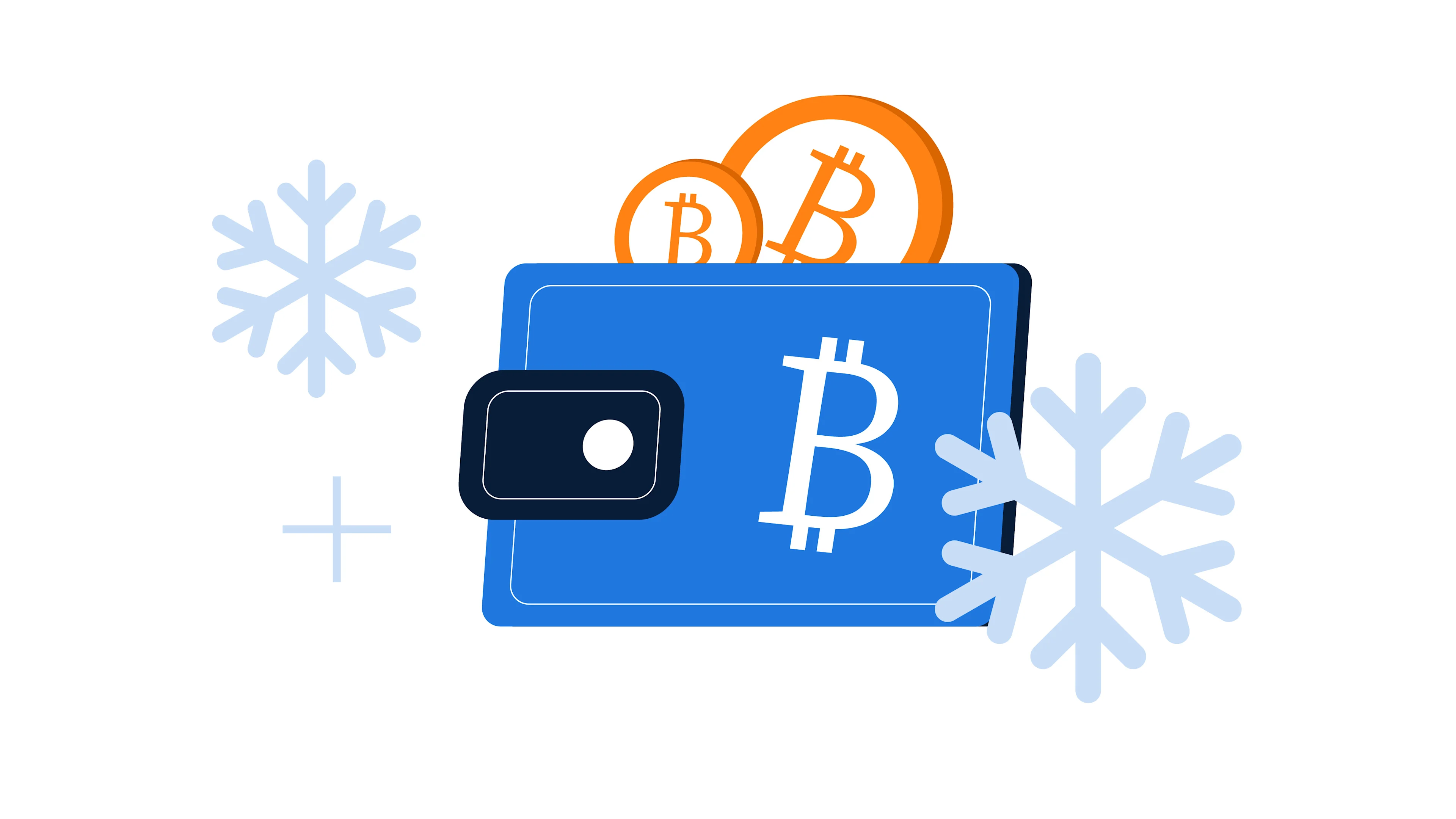
Cold storage refers to keeping the private keys that control crypto assets on devices or systems that are not connected to the internet. Because these keys stay offline, remote attackers cannot access them through typical hacking methods that target internet-connected systems. This contrasts with "hot wallets," which stay connected online for transaction speed but carry a larger exposure surface.
Reputable platforms typically hold the large majority of customer assets in cold storage, keeping only a small operational portion in hot wallets to process withdrawals and daily transaction volume. This split balances security with usability. If a hot wallet is compromised, the damage stays contained to a small percentage of total holdings rather than the entire customer base.
Cold storage architecture usually also involves multi-signature setups, where more than one authorized party must approve a transaction before funds move. This removes single points of failure, since no individual employee or system can unilaterally access customer funds. Some platforms add geographic distribution of key shares, storing pieces of a signing key in different secure locations so that no single breach point compromises the whole system.
Beyond storage architecture, platform security includes practices like regular penetration testing, where independent security researchers attempt to find vulnerabilities before malicious actors do. It also includes insurance arrangements covering certain custody risks, and transparent proof-of-reserves practices that let users verify assets are actually held as claimed.
How the UAE's Regulatory Reset Raises the Security Bar
The new CMA framework introduces licensing modules that require firms to meet specific operational and capital standards before they can serve UAE residents. Higher capital requirements mean platforms must maintain larger financial buffers, which reduces the risk that a firm becomes insolvent during a market downturn and cannot honor customer withdrawals. This is a meaningful shift from earlier, looser regulatory environments where capital adequacy was not always clearly defined.
The decision also introduces clear asset exclusions, notably ruling out privacy tokens from what licensed platforms can list. Privacy-focused assets use technology designed to obscure transaction details, which conflicts with the transparency and monitoring standards regulators expect from licensed financial platforms. By excluding these assets outright, the framework simplifies compliance for platforms and gives users a clearer signal about which assets meet regional standards.
For users, this regulatory tightening should be read as a positive development rather than an inconvenience. It means platforms serving the UAE market now operate under a framework that explicitly prioritizes capital resilience and asset transparency. Users evaluating any platform, licensed or not, should ask whether it operates under a recognized framework like the CMA's or VARA's rules, since that answer says a great deal about the operational discipline behind the service.
How Retail Users Can Apply This to Their Own Holdings
Even with strong platform-level custody, individual users can take steps to reinforce their own security practices. First, enable two-factor authentication on every account tied to financial assets, using an authentication app rather than SMS where possible, since SMS-based codes carry higher interception risk. Second, use unique, strong passwords for financial accounts rather than reusing credentials across services. Third, be cautious with links received through unsolicited messages, since phishing remains one of the most common ways individual accounts get compromised, regardless of how secure the underlying platform is.
Within the CoinMENA app, users can review account security settings directly, confirming that two-factor authentication is active and checking recent login activity for anything unfamiliar. The app's transaction history also lets users audit their own activity regularly, which helps catch anything unusual early rather than after the fact.
Users should also understand the difference between custodial holding, where a platform manages keys on the user's behalf, and self-custody, where the user holds their own keys directly. Custodial platforms offer convenience and recovery options if a password is lost, while self-custody offers full control but removes any safety net if keys are misplaced. Neither approach is universally better. The right choice depends on a user's technical comfort and how actively they plan to manage their holdings.
Security should never be an afterthought, and the region's tightening regulatory standards make that clearer every quarter. CoinMENA operates under licensed frameworks designed to meet these evolving requirements, with account-level security tools built directly into the app. Explore the security settings in your CoinMENA app today and take the first steps toward a stronger personal security setup.