Understanding Cryptocurrency Wallets: Everything Beginners Need to Know
Cryptocurrency wallets do NOT store your actual coins.
Cryptocurrency wallets do NOT store your actual coins. A cryptocurrency wallet stores the private keys that prove you own cryptocurrency, not the coins themselves, which live on the blockchain.
For beginners, wallets are often accessed through cryptocurrency platforms that allow users to buy, store, and manage their digital assets in one place. Platforms like CoinMENA provide built-in wallets that make it easier to get started with crypto while maintaining strong security standards.
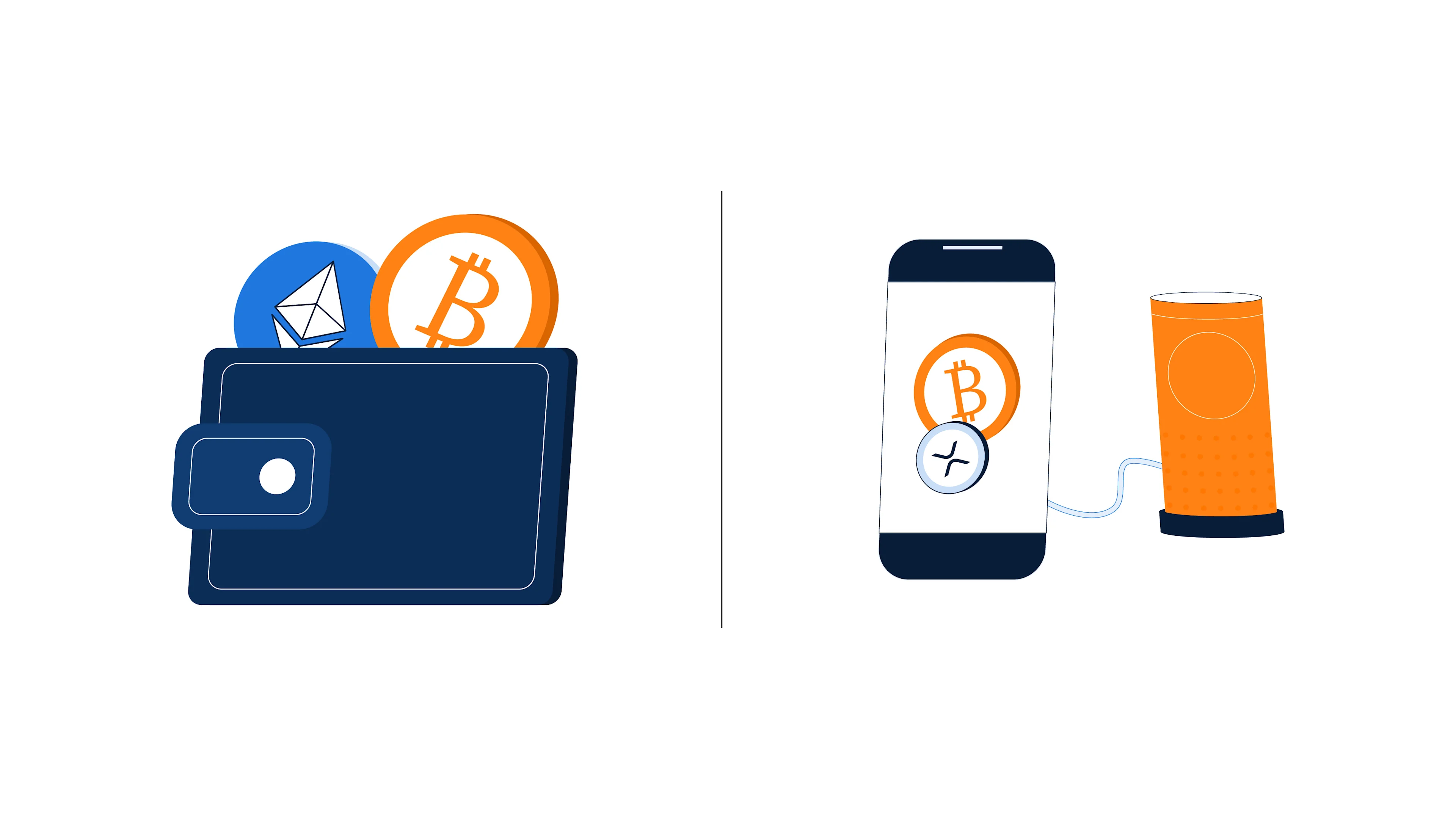
The difference between hot and cold wallets matters for your crypto security. Hot wallets offer convenience for daily transactions that typically cost very little, while cold wallets provide stronger security for long-term storage. Software wallets are free, but hardware options range from $50 to $200+.
How Cryptocurrency Wallets Work
Like a keychain holds keys to your house, a cryptocurrency wallet holds the private keys that control your digital assets. The wallet functions as the interface between you and the blockchain network where your cryptocurrency exists.
Your cryptocurrency exists as data on the blockchain, not inside the wallet itself. The wallet locates all data associated with your public address and displays your total balance. Your public key works like an email address that you share to receive payments, while your private key acts as the password authorizing outgoing transactions.
Sending crypto requires entering the recipient's wallet address, selecting an amount, signing the transaction with your private key, adding a transaction fee, and broadcasting it to the network. Receiving crypto is simpler: you provide your address to the sender.
Modern wallets generate a 12-word mnemonic seed phrase during setup. This sequence of words allows you to restore your wallet if your device is lost or damaged. Anyone who obtains this phrase can access your cryptocurrency.
Wallets fall into two categories: custodial and noncustodial. Custodial wallets rely on third-party services to manage your keys, while noncustodial wallets give you full control over key security.
Types of Cryptocurrency Wallets
Crypto wallets are split into hot and cold categories based on internet connectivity. Hot wallets maintain a constant connection to the internet, making them software-based applications installed on smartphones, computers, or accessed through browsers. These include desktop programs, mobile apps, and web-based platforms. Trezor, Electrum, and Mycelium serve as examples of software wallets you can use. Mobile versions facilitate quick payments in physical stores through near-field communication or QR code scanning.
Unlike hot wallets, hardware wallets store your private keys on physical devices resembling USB drives. These devices sign cryptocurrency transactions automatically without requiring manual key entry, preventing hackers from logging keypresses or recording your screen. Hardware wallets typically cost between AED 367.19 (~$100 USD) to AED 734.39 (~$200). Ledger and Trezor stand out as well-known hardware wallet brands. Hardware wallets generally operate as cold wallets since they lack an active internet connection until plugged in.
Paper wallets represent the earliest form of crypto storage, featuring printed keys and QR codes for mobile wallet scanning. Their susceptibility to damage and loss has made them obsolete for most crypto owners. You can still use paper wallets if stored properly in safes or deposit boxes with regular condition checks.
How to Set Up Your Crypto Wallet
Setting up a cryptocurrency wallet starts with selecting a reputable provider. Download applications exclusively from official websites or verified app stores to avoid malicious clones. Create a strong password using uppercase and lowercase letters, numbers, and special characters while avoiding dictionary words or personal information.
Write down your seed phrase on physical paper or metal backup plates during wallet initialization. Never store seed phrases digitally in cloud services, email, or smartphone photos. Store multiple copies in separate locations such as fireproof safes or bank safety deposit boxes. If you lose your seed phrase and your device, you lose access to your funds permanently.
Cryptocurrency Wallet Security
Cryptocurrency wallet security depends on choosing the appropriate wallet type for your needs. Hot wallets provide convenience for frequent transactions, while cold wallets offer stronger protection for long-term storage. Seed phrase security remains critical - anyone who obtains this phrase can access your cryptocurrency.
Two-factor authentication provides essential security protection. Authenticator applications offer stronger protection than SMS, which remains vulnerable to SIM swap attacks. App-based 2FA or hardware security keys like YubiKey provide the strongest protection. Configure transaction confirmation notifications and withdrawal address whitelisting when available.
Phishing attacks represented the most prevalent security threat in 2026, with fraudulent websites mimicking legitimate platforms. Verify URLs meticulously and bookmark official addresses. Legitimate platforms never request seed phrases through customer support channels. Network compatibility verification prevents fund loss before sending cryptocurrency. Selecting mismatched networks causes funds to become trapped.
Why Use a Regulated Platform for Crypto Wallets
For beginners entering the crypto space, using a trusted and regulated platform can simplify wallet management and improve security. Platforms like CoinMENA provide users with custodial wallets that allow them to buy, sell, send, and receive digital assets without needing to manage private keys themselves.
CoinMENA is a regulated cryptocurrency platform headquartered in Bahrain and Dubai, licensed by the Central Bank of Bahrain and Dubai’s Virtual Assets Regulatory Authority (VARA). The platform allows users to access cryptocurrencies through a secure and compliant environment while depositing and withdrawing funds in local currencies.
For many beginners, starting with a custodial wallet on a regulated exchange can be an easier first step before transitioning to non-custodial wallets for full self-custody. This approach allows users to learn how crypto transactions work while benefiting from built-in security features and regulatory protections.