What is Web3?
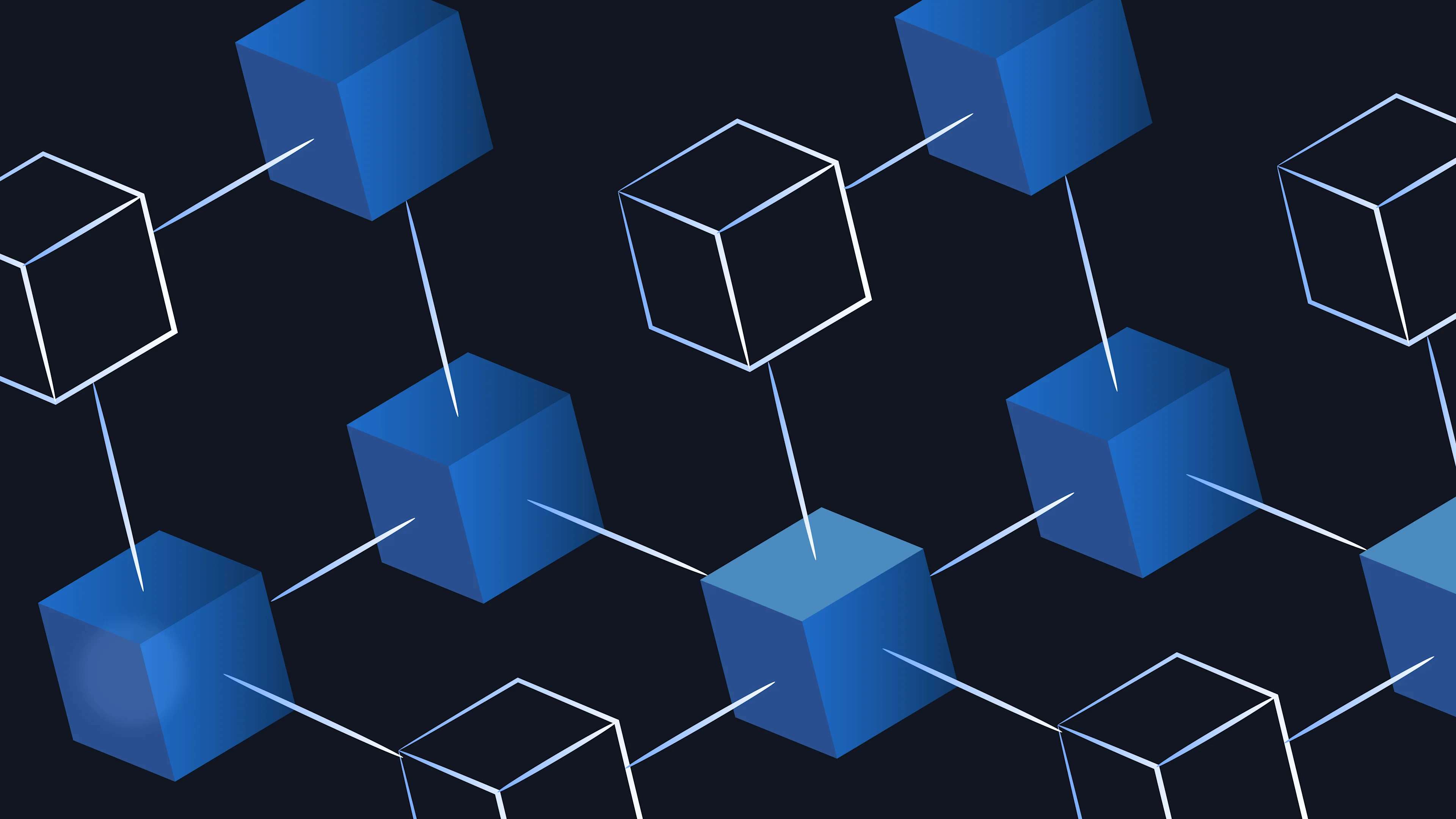
Web3 technology functions through distributed ledger technology and blockchain networks.
Web3, also known as web 3.0 or the web3, is a new iteration of the internet that incorporates decentralization, blockchain technologies, and token-based economics to redistribute ownership and control from centralized entities to users. Understanding the meaning of web3 starts with recognizing this fundamental shift in digital transformation. Ethereum co-founder Gavin Wood first popularized the term in 2014 to describe a decentralized online ecosystem based on blockchain and web3 technology. The web3 concept represents a clear evolution: Web1 was read-only (consuming static content), Web2 introduced read-write (user-generated content and social interaction), and the web 3.0 extends this to read-write-own, granting users ownership rights over their digital presence and assets through user empowerment and data sovereignty.
Despite growing momentum and increasing blockchain adoption, a 2022 survey revealed that nearly 70 percent of more than 50,000 respondents admitted they don't know what the web 3 is or about web3 fundamentals.
How Web3 Works
Web3 technology functions through distributed ledger technology and blockchain networks. Data and web3 transactions are spread across multiple computers, known as nodes or validators, rather than centralized servers. Each node verifies and stores information independently using consensus mechanisms like proof of work and proof of stake. This process creates transparency without a single controlling entity, ensuring censorship resistance and enabling borderless transactions.
Core technologies power web3 and blockchain infrastructure:
Blockchain: This distributed ledger technology serves as a digitally distributed, decentralized ledger that exists across blockchain networks, facilitating transaction recording without a single point of control. The EVM (Ethereum Virtual Machine) and other smart contract platforms enable programmable blockchain infrastructure.
Smart contracts: These are self-executing agreements coded directly into the blockchain using cryptographic protocols, automatically carrying out actions when preset conditions are met. They utilize digital signatures for authentication and security.
Digital assets and tokens: These represent items of value existing only digitally, including cryptocurrency, NFTs, and tokenized versions of physical assets. Tokenomics and token economics govern their distribution and utility.
Oracles: These bridge on-chain and off-chain data, enabling smart contracts to interact with real-world information and external systems through secure data feeds.
Key Features of Web3
Decentralization: Control is distributed across blockchain networks rather than concentrated in centralized servers, removing single points of failure. Decentralized autonomous organizations (DAOs) enable community-driven decentralized governance where stakeholders collectively make decisions through transparent voting mechanisms using governance tokens.
User Ownership: Users maintain direct control over personal data and digital assets through self-sovereign identity and digital identity systems. Zero-knowledge proofs enable users to verify possession of information without revealing the actual data, ensuring data sovereignty. Digital wallets with unique wallet addresses connect to blockchain-based applications, allowing users to manage cryptocurrency independently.
Permissionless Access: Web3 operates on open protocols accessible to anyone with an internet connection and cryptographic wallet. No gatekeepers restrict participation or control network entry, promoting financial inclusion and user empowerment across borders.
Built-in Payments: Cryptocurrency integration enables direct value transfer without intermediaries, though users pay transaction fees or gas fees to validators. Smart contracts execute payment releases automatically when predetermined conditions are met. Cross-chain interoperability allows assets to move between different blockchain networks seamlessly.
Common Uses of Web3
Decentralized Finance (DeFi): Platforms like Aave and Uniswap facilitate lending, borrowing, and cryptocurrency trading of digital assets without traditional banking intermediaries. Decentralized exchanges (DEX) use automated market makers (AMM) and liquidity pools to enable crypto trading. Major crypto exchange platforms are also integrating web3 features. Crypto traders can participate in yield farming and staking to earn rewards. JPMorgan Chase executed its first cross-border blockchain transaction in November 2022, demonstrating growing blockchain adoption in traditional finance and advancing financial inclusion.
NFTs and Digital Ownership: Non-fungible tokens (NFTs) facilitate digital collectibles and virtual asset ownership across marketplaces like OpenSea. Nike launched its Swoosh platform, a web3 studio in 2022 for blockchain-based NFTs, showcasing how brands embrace this digital transformation.
Tokenization: Converts real-world assets into blockchain-based tokens using smart contract platforms, enabling fractional ownership of properties through crypto trading platforms like RealT. This demonstrates practical tokenomics applications in real estate.
Decentralized Storage: Systems like IPFS provide content-based addressing through unique cryptographic hashes, distributing files across peer-to-peer networks with enhanced data sovereignty.
Scalability Solutions: Layer 2 protocols and scalability solutions address blockchain network congestion, reducing gas fees and improving transaction speeds while maintaining security. Mining operations and validators secure these networks through various consensus mechanisms.
Regulatory Compliance: As blockchain adoption grows, regulatory compliance frameworks are evolving to balance innovation with consumer protection, ensuring web3 transaction legitimacy across jurisdictions.
Frequently Asked Questions
Is Web3 the same as cryptocurrency?
No. While cryptocurrency is a component of web3, the web 3 concept encompasses broader technologies, including blockchain and web3 infrastructure, smart contracts, decentralized applications, and token-based ownership models beyond just digital currencies. Web 3 is about reimagining internet architecture, not just creating new payment methods.
What's the difference between Web2 and Web3?
Web2 operates through centralized entities controlling data and platforms, while web 3.0 is built on decentralized networks where users own their data and digital assets. Web2 profits from user data; the web 3 returns value to users through token ownership, governance tokens, and direct participation in network economics. On web3, users have true data sovereignty and self-sovereign identity.
Do I need technical knowledge to use Web3?
Basic understanding helps, but user-friendly wallets and applications are making web3 technology increasingly accessible. You'll need a digital wallet with wallet addresses to interact with most web3 applications and manage cryptocurrency or NFTs. Many crypto trading platforms now offer simplified interfaces for beginners.
Is Web3 secure?
Web3's decentralized nature distributes data across numerous validators and nodes, reducing vulnerability to breaches compared to centralized systems. Cryptographic protocols and digital signatures provide robust security. However, users must protect their private keys, as lost keys mean lost access to assets. Web3 transactions are immutable and transparent on blockchain networks.
Why does Web3 matter?
Web 3.0 addresses power concentration in centralized platforms by aligning network participants toward shared goals through token economics and governance tokens. It provides financial inclusion and borderless transactions to underserved populations through decentralized exchanges and crypto trading platforms. Web3 and blockchain technology restore user empowerment and control over personal data while enabling censorship resistance and interoperability across digital ecosystems.
The global web3 market is projected to exceed AED 300.73 billion by 2032, driven by increasing blockchain adoption and digital transformation across industries.